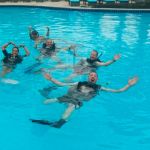
Diving Scool in Koweit

PEOPLE PROTECT WHAT THEY LOVE,
AND LOVE WHAT THEY KNOW
PEOPLE PROTECT WHAT THEY LOVE,
AND LOVE WHAT THEY KNOW
– Jacques Cousteau –

Welcome!

Welcome to Ocean Vibes Diving School! Immerse yourself in the fascinating world of scuba diving and explore the wonders of the ocean with our experienced instructors. Get certified and embark on a lifetime of underwater adventures. Join us today and dive into the extraordinary!

Certified instructors

Learn from the best

lets dive!

Do you need more information?

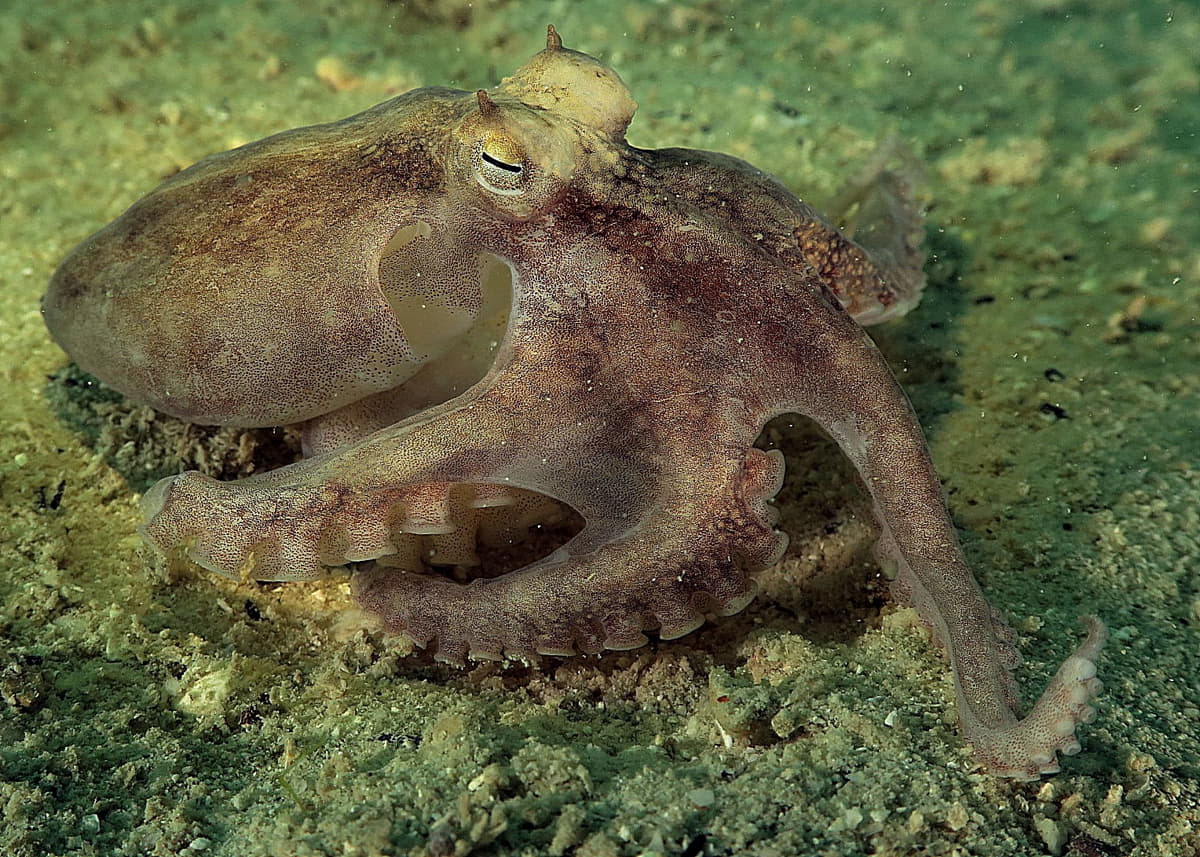
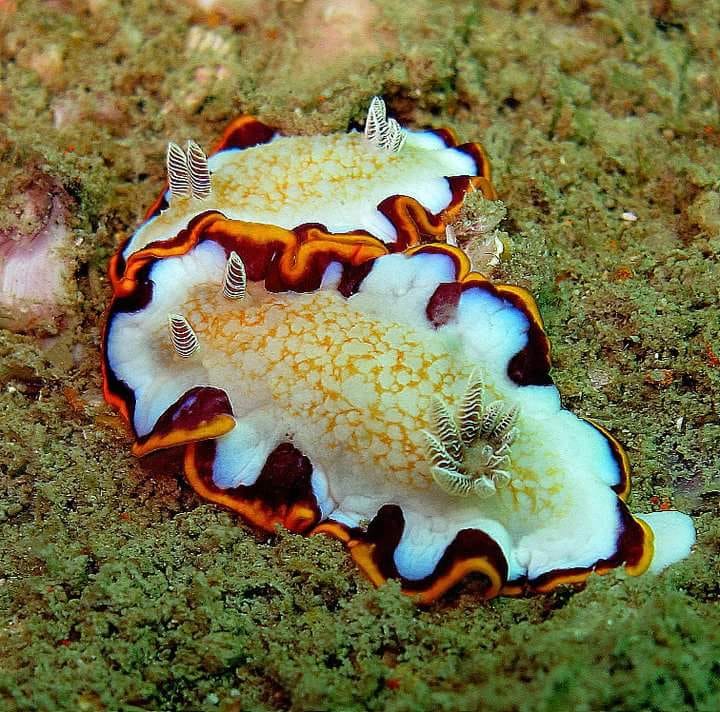
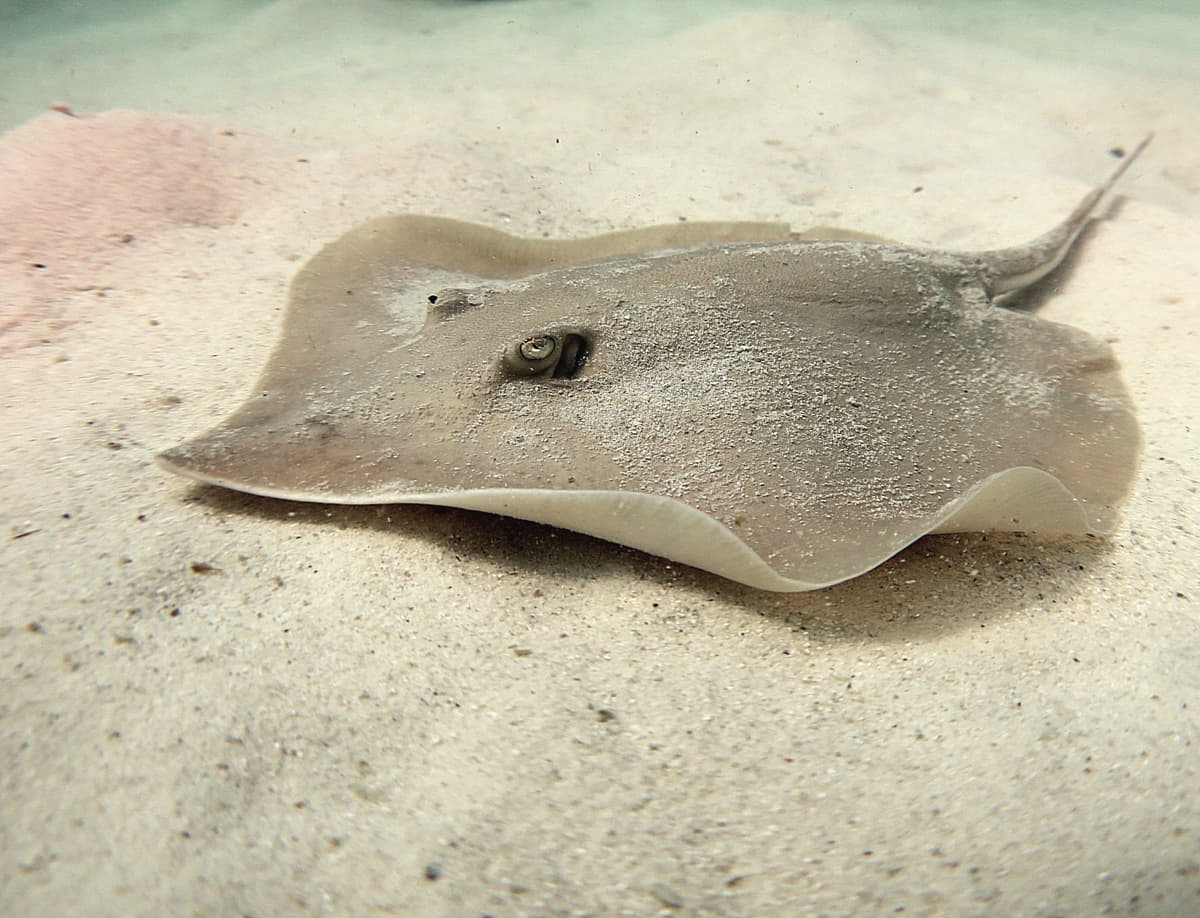
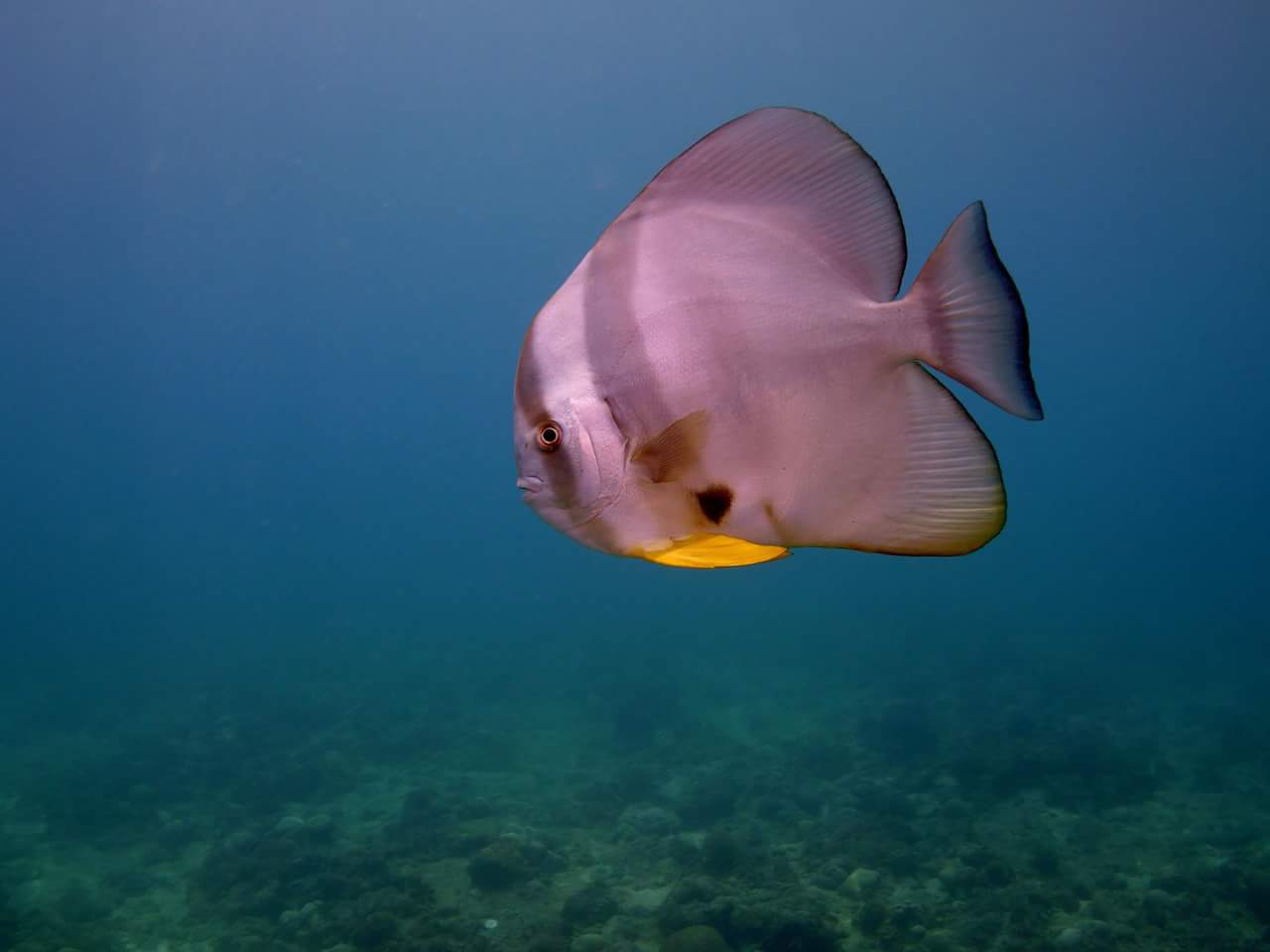
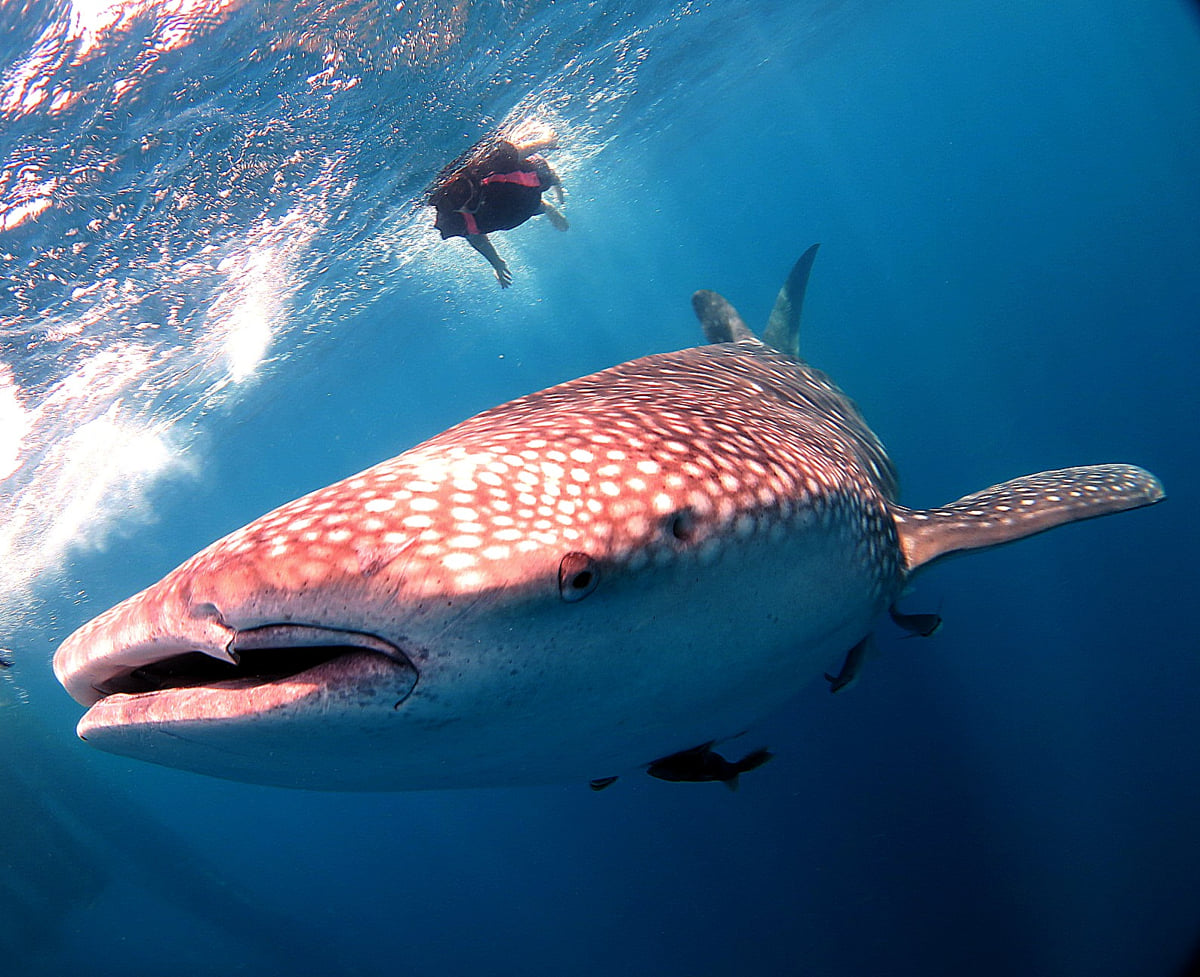
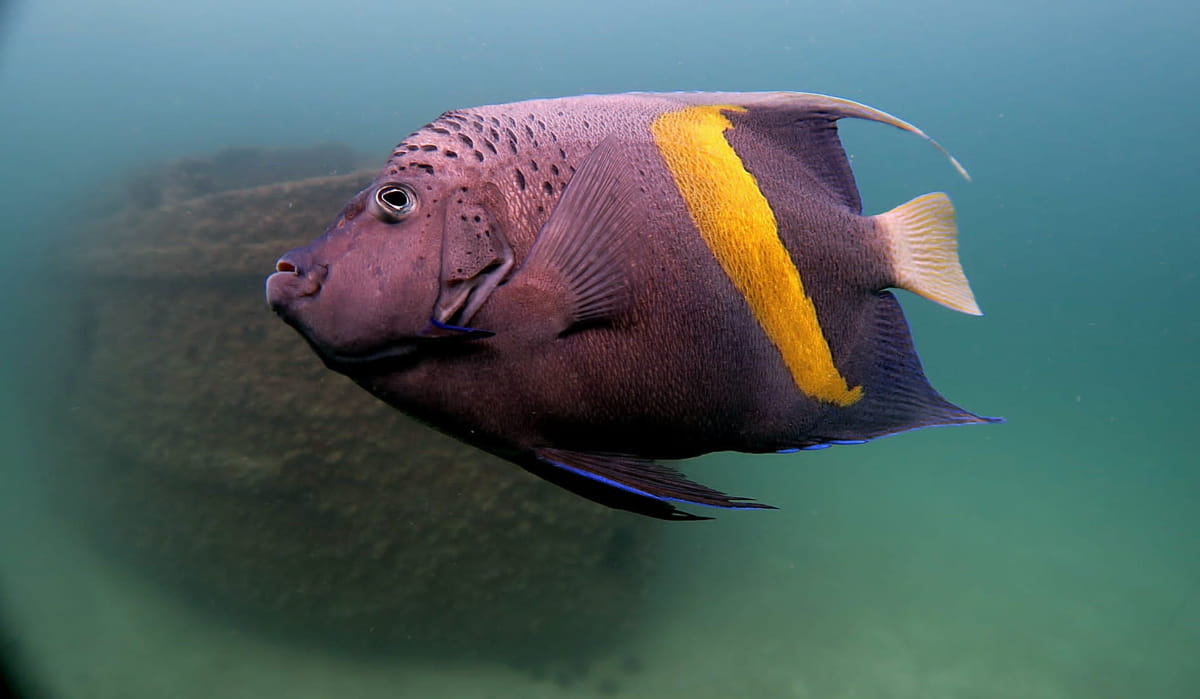
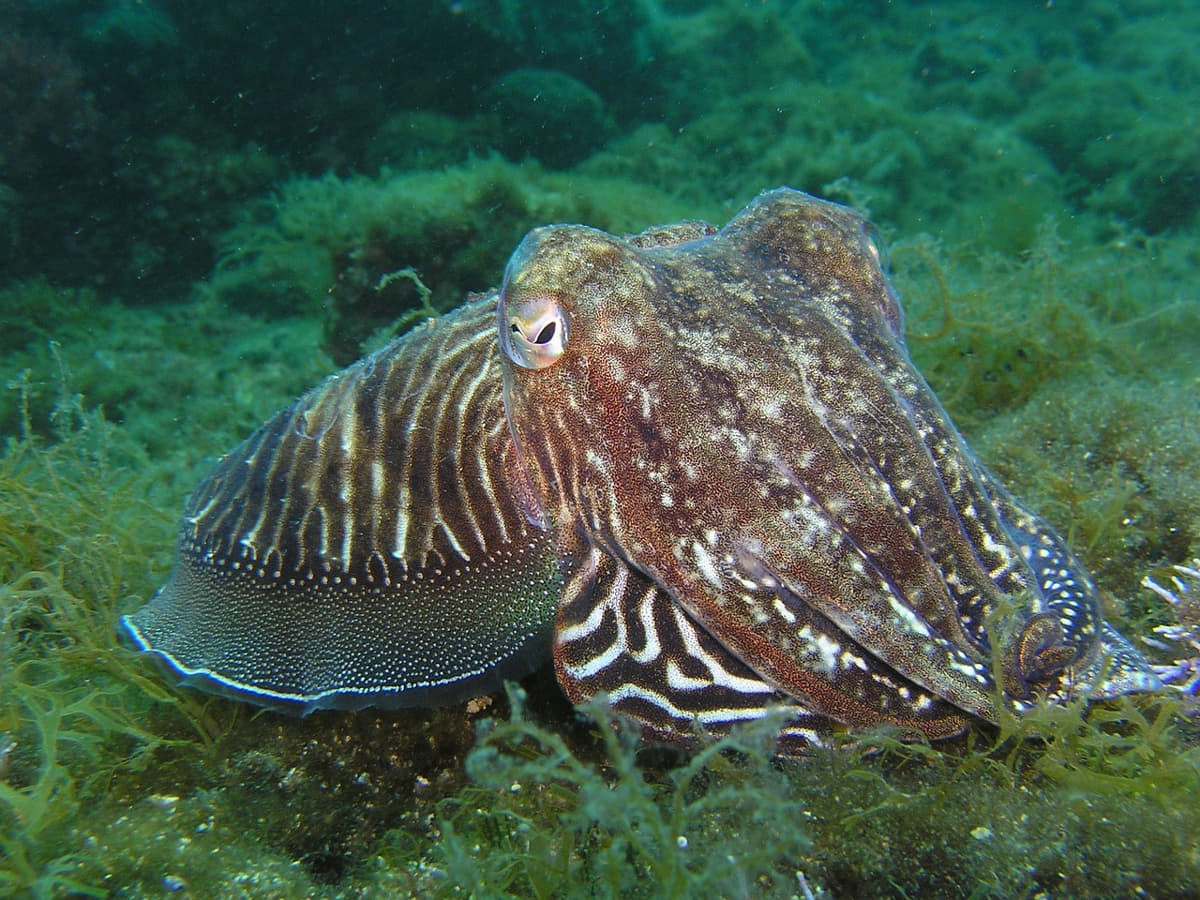
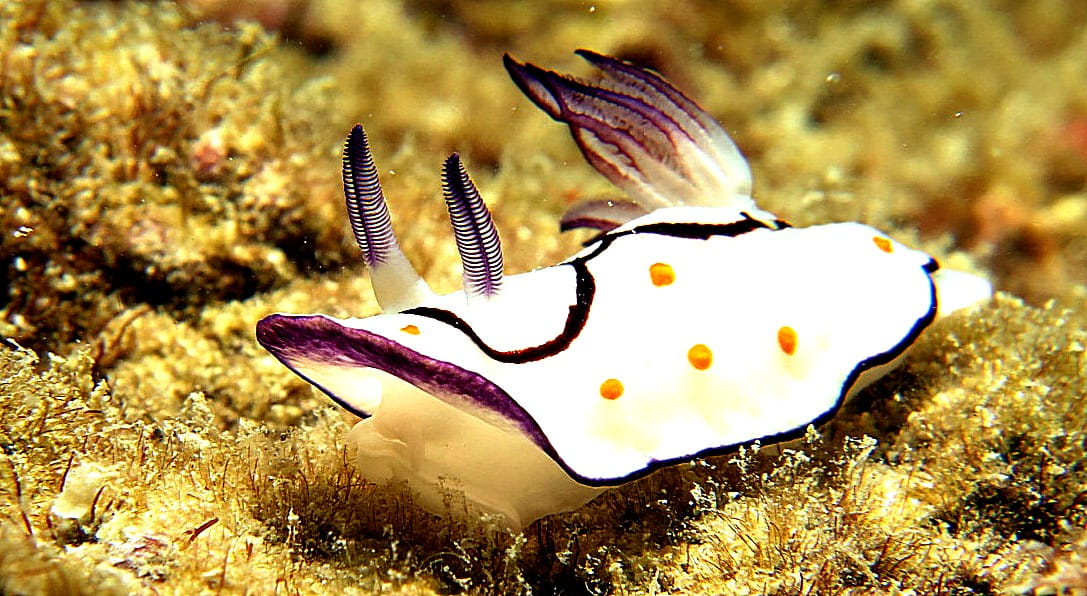
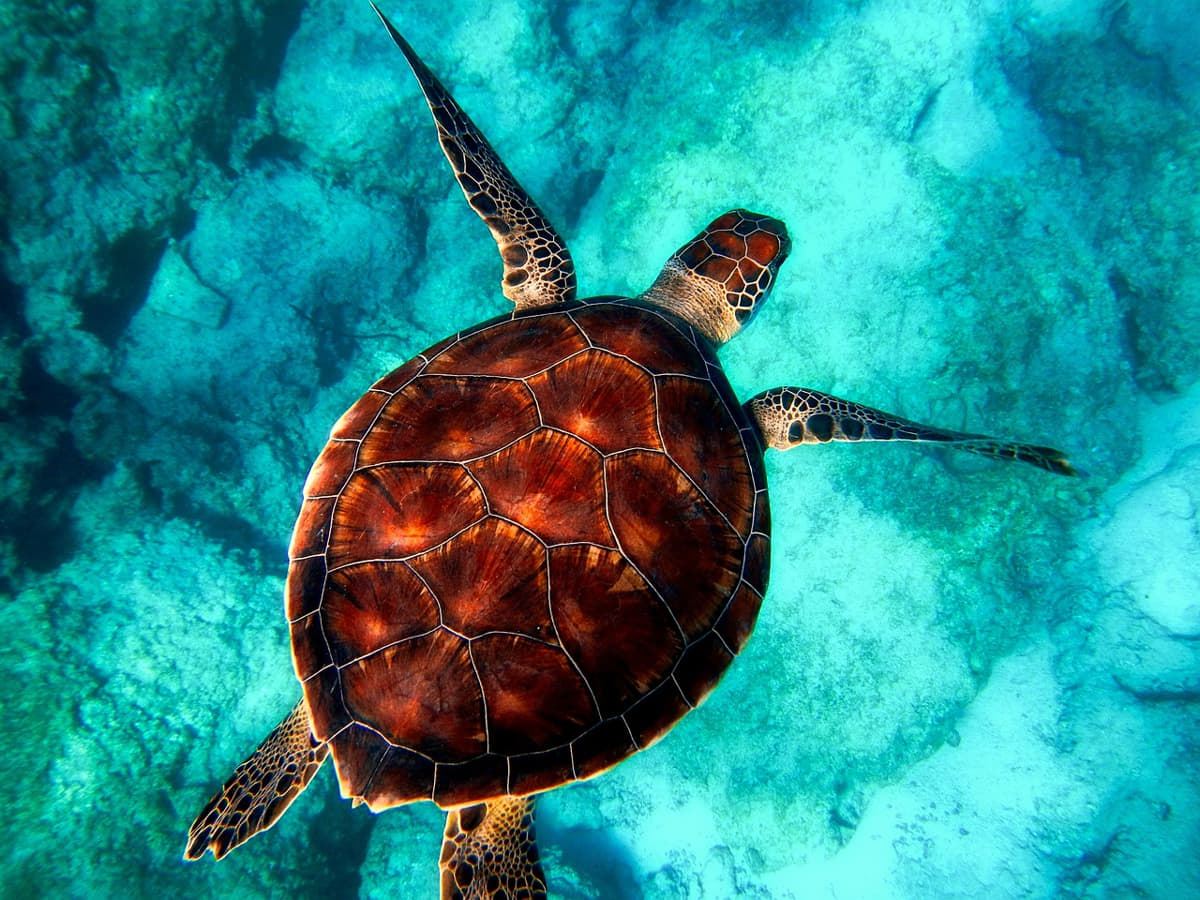
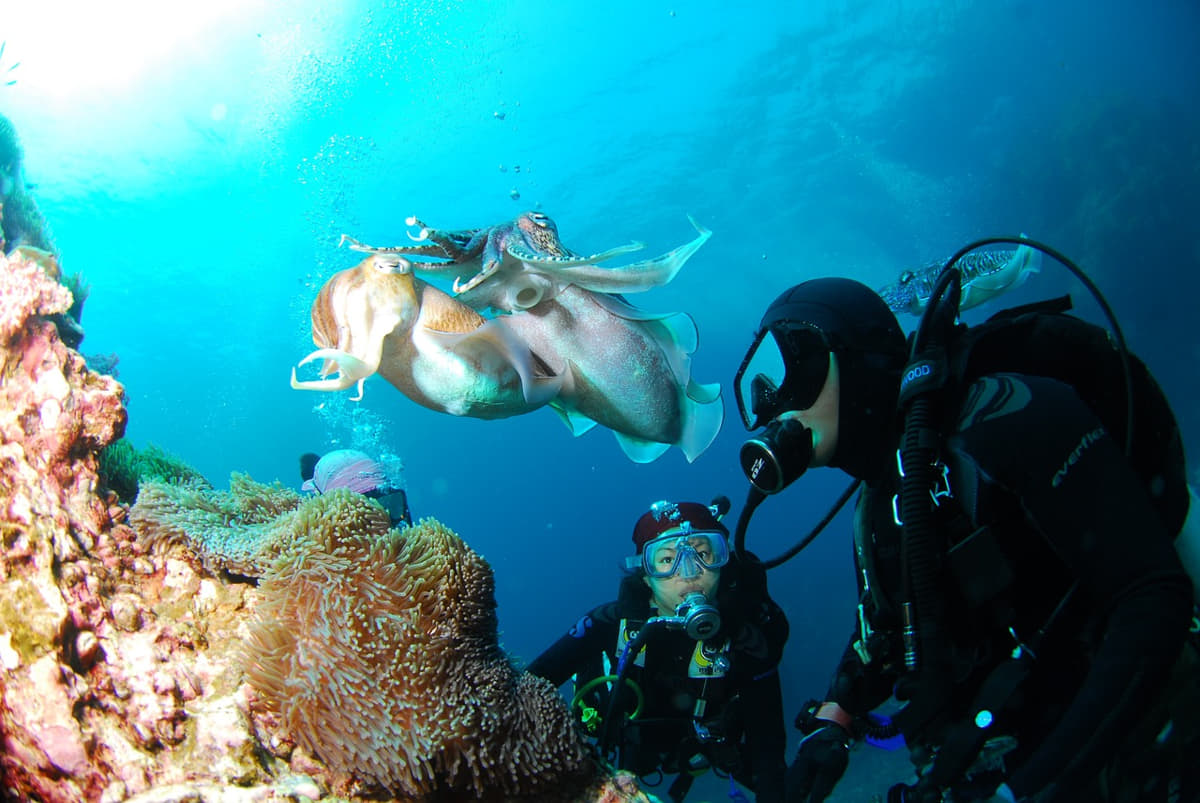
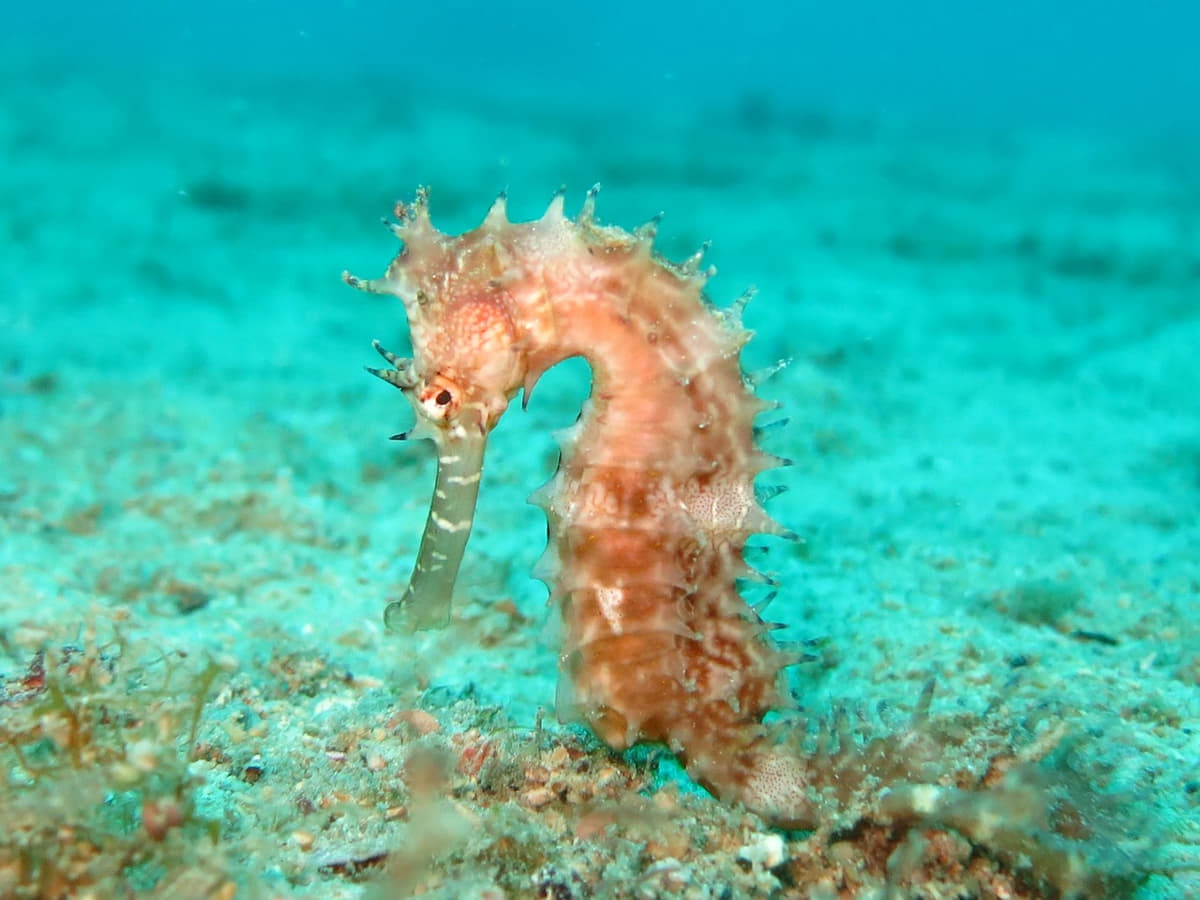
Some of the creatures that you have to meet!

What our clients think

  • Dimitry

    “I wanted to provide feedback on the two dive courses I completed with you. Overall, I had a great experience and learned a lot. Your expertise and knowledge were impressive, and your teaching style made the courses enjoyable. I appreciated your emphasis on safety and the hands-on experience.

    Thank you for being a fantastic instructor!”

  • Paul

    “I wanted to express my heartfelt appreciation and admiration for the exceptional scuba training I received from you. Your guidance and instruction were truly unparalleled. From the moment I stepped into the ALL 4 DIVING Dive Center in Phuket, it was clear that I had made the right choice. Your warm welcome and professionalism created an ideal learning environment. Your passion for scuba diving was infectious and inspired me to become a more conscientious diver. I felt confident and prepared under your emphasis on safety. I would highly recommend you to anyone seeking scuba training.”

  • Rasa

    “One of the best diving instructor in Kuwait.  I had the experience of diving with Djana several times in different countries.  Confidence is very important underwater.  I trust Djana when I dive with her.”

  • Rhyan

    “Djana is a kind and caring instructor who will ensure that you are completing  the necessary skills to dive safely, while managing to sprinkle a little humor and lots of fun into her instruction.”

    We have all kind of courses, just find the one that suits you the most, and come enjoy with us!
    Good to Know

    Frequently Asked Questions

    How do I learn to scuba dive?
    Becoming a scuba diver is a wonderful adventure! Scuba certification includes three phases:
    1. Knowledge Development.

    During the first phase of your scuba lessons, you’ll learn the basic principles of scuba diving such as:

    • What to consider when planning dives.
    • How to choose the right scuba gear for you.
    • Underwater signals and other diving procedures.

    You’ll learn this valuable information by reading it in the PADI Open Water Diver Manual or by using the PADI Open Water Diver eLearning. At the end of each chapter, you’ll answer questions about the material to ensure you understand it. Along the way, let your PADI Instructor know if there is anything you don’t understand. At the end of the course, you’ll take a final exam that ensures you have thorough knowledge of scuba diving basics.

    You’ll also watch videos that preview the scuba skills you’ll practice in a swimming pool or pool-like environment. In addition to the video, your instructor will demonstrate each skill for you.

    2. Confined Water Dives

    This is what it’s all about – diving. You’ll develop basic scuba skills in a pool or in confined water – a body of water with pool-like conditions, such as off a calm beach. The basic scuba skills you learn during your certification course will help you become familiar with your scuba gear and become an underwater explorer. Some of the essential skills you learn include:

    • Setting up your scuba gear.
    • How to get water out of your mask.
    • Entering and exiting the water.
    • Buoyancy control.
    • Basic underwater navigation.
    • Safety procedures.

    You’ll practice these skills with an instructor until you’re comfortable. When you’re ready, it’s time for your underwater adventure to begin at an open water dive site.

    3. Open Water Dives

    After your confined water dives, you’ll head to open water, where you and your instructor will make four dives, usually over two days. On these dives you’ll get to explore the underwater world. You’ll apply the skills you learned in confined water while enjoying what the local environment has to offer. Most student divers complete these dives close to home, but there is an option for finishing your training while on holiday. Your PADI Instructor can explain how you can be referred to another PADI Instructor in a different location.

    How long does it take to get certified?

    The PADI Open Water Diver course is flexible and performance based, which means that your PADI dive shop can offer a wide variety of schedules, organized according to how fast you progress. It’s possible to complete your confined and open water dives in three or four days by completing the knowledge development portion via PADI eLearning, or other home study options offered by your local dive shop or resort.

    Your PADI Instructor will focus on helping you become a confident and comfortable diver, not on how long it takes. You earn your certification based on demonstrating you know what you need to know and can do what you need to do. This means that you progress at your own pace – faster or slower depending upon the time you need – to become a competent scuba diver.

    How much do scuba lessons cost?

    Compared with other popular adventure sports and outdoor activities, learning to scuba dive isn’t expensive.

    • To try diving in a pool (from 8 years old) – 40 KD
    • To try diving in the sea (Kubbar or Qaruh island) – 60 KD
    • Open Water Diver course (first level of certification) – 210 KD

    Some questions you may want to ask are:

    1. Are the course materials included in the price? – Yes
    2. What personal dive equipment am I required to have? – Only swim wear
    3. Is rental gear included? – Yes
    4. Are there any additional fees such as a boat fee or certification fee? – No
    5. How many student divers will be in the course? – Up to 8 people
    6. Where will open water training dives take place? – Kubbar or Qaruh islands
    7. What gear will I need to scuba dive? – We provide all gear

    Choosing and using your scuba gear is part of the fun of diving. We will help you find the right gear. Each piece of scuba equipment has a different function so that together, it adapts you to the underwater world.

    When you start learning to scuba dive, as a minimum, you’ll want your own:

    • Mask
    • Snorkel
    • Fins 

    These have a personal fit, and we will help you choose gear with the best fit and features for you.

    What are the requirements for learning to scuba dive?

    If you have a passion for excitement and adventure, chances are you can become an avid PADI Diver. You’ll also want to keep in mind these requirements:

    • The minimum age is 8 years old for pool diving and 10 years old for diving in the sea.
    • Student divers who are younger than 15 earn the PADI Junior Open Water Diver certification, which they may upgrade to PADI Open Water Diver certification upon reaching 15.
    • Children under the age of 13 require parent or guardian permission to register for PADI eLearning.

    All student divers complete a brief scuba medical questionnaire that asks about medical conditions that could be a problem while diving. If none of these apply, sign the form and you’re ready to start. If any of these apply to you, your doctor must, as a safety precaution, assess the condition as it relates to diving and sign a medical form that confirms you’re fit to dive. In some areas, local laws require all scuba students to consult with a physician before entering the course. Download the scuba medical questionnaire.

    Donwnload the questionaire here

    Before completing the PADI Open Water Diver course, your instructor will have you demonstrate basic water skills to be sure you’re comfortable in the water, including:

    Swim 200 metres/yards (or 300 metres/yards in mask, fins and snorkel) without stopping. There is no time limit for this, and you may use any swimming strokes you want.

    Float and tread water for 10 minutes, again using any methods you want.

    Any individual who can meet the performance requirements of the course qualifies for certification. There are many adaptive techniques that allow individuals with physical challenges to meet these requirements. People with paraplegia, amputations and other challenges commonly earn the PADI Open Water Diver certification. Even individuals with more significant physical challenges participate in diving. Talk to your PADI Instructor at your local PADI Dive Center or Resort for more information.

    Do I have to be a good swimmer to scuba dive?

    Some swimming ability is required. You need to have basic swim skills and be able to comfortably maintain yourself in the water. Your PADI Instructor will assess this by having you:

    Swim 200 metres/yards (or 300 metres/yards in mask, fins and snorkel). There is no time limit for this, and you may use any swimming strokes you want.

    Float and tread water for 10 minutes, again using any methods you want.

    Any individual who can meet the performance requirements of the course qualifies for certification. There are many adaptive techniques that allow individuals with physical challenges to meet these requirements. People with paraplegia, amputations and other challenges commonly earn the PADI Open Water Diver certification. Even individuals with more significant physical challenges participate in diving.

    Where can I scuba dive?

    Our speedboat is located in Salmiya and we organize dive trips every weekend and during holidays to Kubbar, Qaruh or Umm Al Maradim islands.

    My ears hurt when I go to the bottom of a swimming pool or when I dive down snorkeling. Will that prevent me from becoming a scuba diver?

    No, assuming you have no irregularities in your ears and sinuses. The discomfort is the normal effect of water pressure pressing in on your ear drums. Fortunately, our bodies are designed to adjust for pressure changes in our ears – you just need to learn how. If you have no difficulties adjusting to air pressure during flying, you’ll probably experience no problem learning to adjust to water pressure while diving.

    Will a history of ear troubles, diabetes, asthma, allergies or smoking preclude someone from diving?

    Not necessarily. Any condition that affects the ears, sinuses, respiratory or heart function, or may alter consciousness is a concern, but only a doctor can assess a person’s individual risk. Doctors can consult with the Divers Alert Network (DAN) as necessary when assessing fitness to dive.

    What are the most common injuries or sicknesses associated with diving?

    Sunburn, seasickness and dehydration, all of which are preventable, are the most common problems divers face. Injuries caused by marine life, such as scrapes and stings, do occur, but these can be avoided by wearing an exposure suit, staying off the bottom and watching where you put your hands and feet.

    What about sharks?

    When you’re lucky, you get to see a shark. Although incidents with sharks occur, they are very rare and, with respect to diving, primarily involve spear fishing or feeding sharks, both of which trigger feeding behavior. Most of the time, if you see a shark it’s just passing through and a rare sight to enjoy.

    Do women have any special concerns regarding diving?

    Aside from pregnancy, no. Because physiologists know little about the effects of diving on the fetus, the recommendation is that women avoid diving while pregnant or trying to become pregnant. Menstruation is not normally a concern.

    How deep do you go?

    With the necessary training and experience, the limit for recreational scuba diving is 40 metres/130 feet. Beginning scuba divers stay shallower than about 18 metres/60 feet. Although these are the limits, some of the most popular diving is shallower than 12 metres/40 feet, where the water’s warmer and the colors are brighter.

    What happens if I use up all my air?

    Your dive kit includes a gauge that displays how much air you have. You’ll learn to check it regularly, so it’s unlikely you’ll run out of air while scuba diving. However, if you run out of air, your buddy has an extra regulator (mouthpiece) that allows you to share a single air supply while swimming to the surface. There are also other options you’ll learn in your scuba diving training.

    What if I feel claustrophobic?

    People find the “weightlessness” of scuba diving to be quite freeing. Modern scuba masks are available in translucent models, which you may prefer if a mask makes you feel closed in. During your scuba diving training, your instructor gives you plenty of time and coaching to become comfortable with each stage of learning. Your scuba instructor works with you at your own pace to ensure you master each skill necessary to become a capable scuba diver who dives regularly.


    © Ocean Vibes. All rights reserved.
    Developed by Miguel Chapuis.